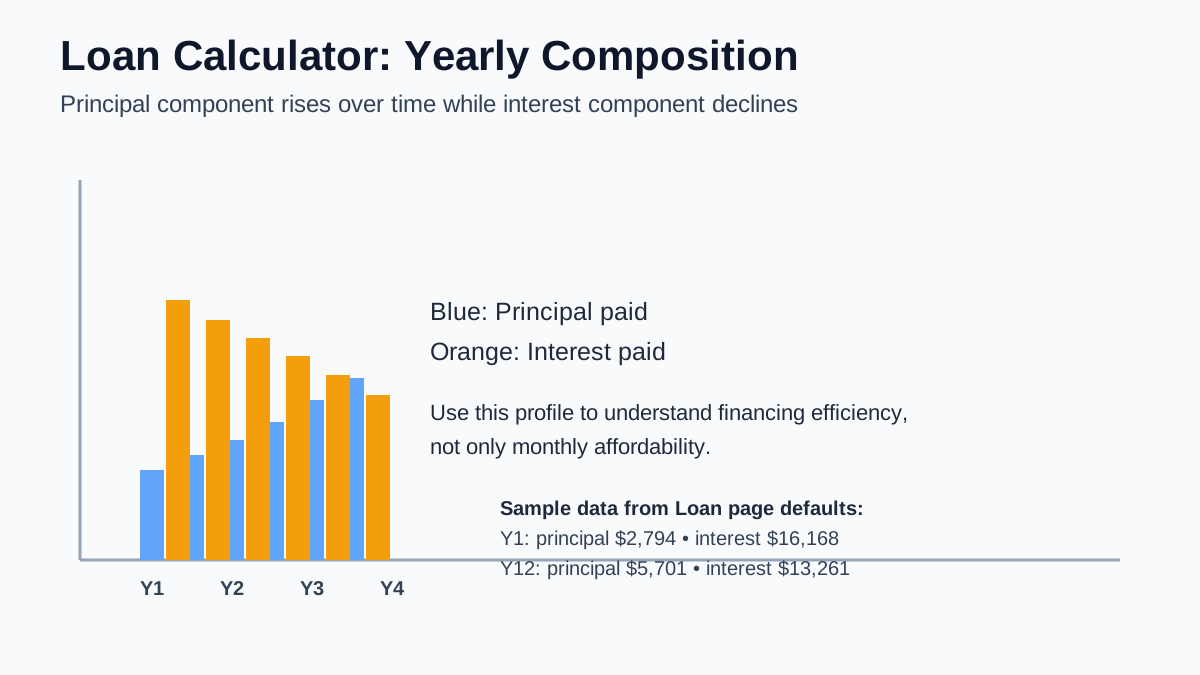
Compare against equal-principal to visualize early-payment pressure versus lifetime interest.
Re-run with +1.0% rate and shorter term to stress-test resilience before committing.
Executive overview for borrowing decisions
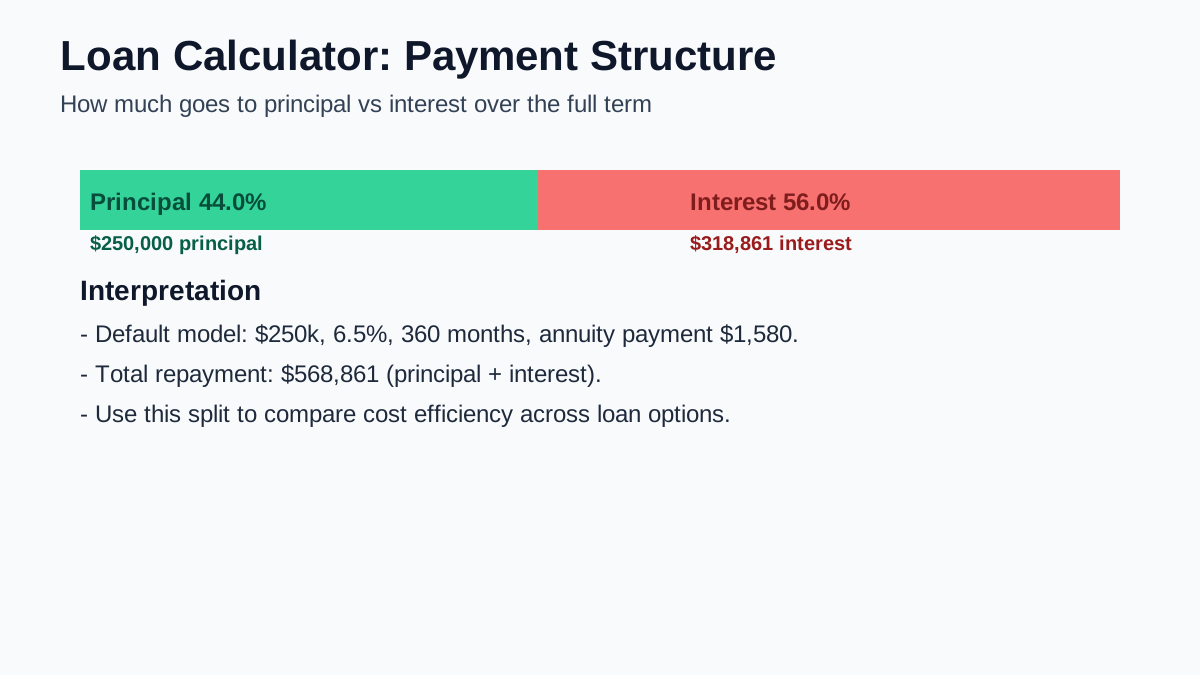
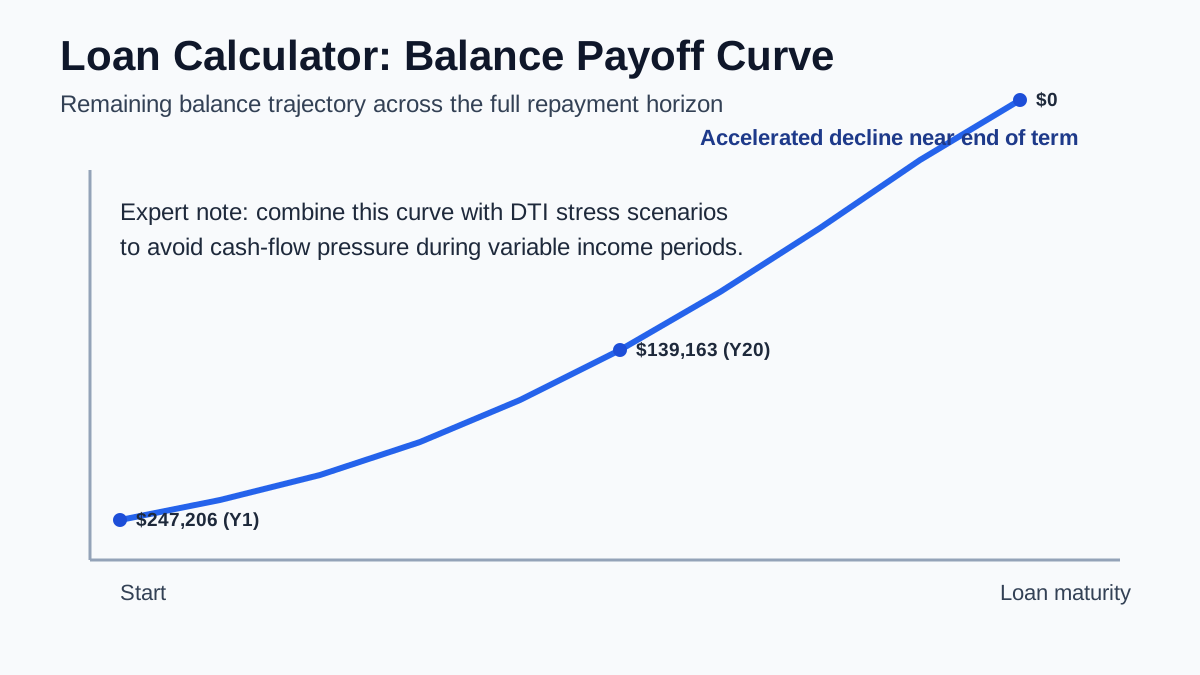
This loan calculator is built for decision quality: monthly affordability, lifetime financing cost, and payoff trajectory are evaluated together so you can choose a loan structure with stronger cash-flow resilience.
Field interpretation and modeling logic
Loan amount: financed principal that drives total interest exposure.
Annual rate: core price-of-credit input converted to monthly accrual.
Term (months): duration lever balancing payment size versus total cost.
Repayment method: annuity for stability, equal-principal for lower long-run interest.
KPI dashboard and chart interpretation
Professional risk checks before commitment
Run rate and income stress cases before selecting final term.
Track DTI as a risk-control metric, not only approval metric.
Cross-check lender fees, insurance, and prepayment penalties.
What is the difference between annuity and equal-principal repayment?
Annuity keeps payment roughly constant each month, while equal-principal starts higher and declines over time. Equal-principal often pays less total interest but needs stronger early cash flow.
How much does loan term affect total interest?
A longer term reduces monthly payment but usually increases total interest materially. Compare at least two terms to see the trade-off between affordability today and total borrowing cost.
Why should I monitor Debt-to-Income ratio?
DTI helps you test payment safety against monthly income. A high DTI can reduce financial resilience and increase stress when income fluctuates or expenses rise.
Can I use this calculator for mortgage, auto, and personal loans?
Yes. The structure fits most fixed-rate installment loans. For real offers, always confirm lender fees, insurance, and any prepayment penalties before final decisions.